



My Lunchtime – My Choices™
Make this program yours – look for and try new entrée and fruit and vegetable choices that work best for you. Check out our food information on our Farmers Market Selection posters to find out how the selection of the month benefits your health, now, and on into your future. Need a lunch to go for a meeting or practice? Just ask how! Need to understand general nutritional value of different foods? Just ask! Need lots of cals to get through afternoon practice? Combine unlimited fruits and vegetables from the F&V bar with smart entrée choices to keep the motor running all through the afternoon. Need breakfast, but too busy to sit down? We can help set up breakfast to go. Look at our menus online anytime to plan your meal choices in advance.

Portion Size Smack Down

Do You Know How Food Portions Have Changed in 20 Years?
From Department of Human Services

  • BAGEL
    20 Years Ago
    140 calories
    3-inch diameter

    Today
    350 calories
    6-inch diameter
    Calorie Difference: 210 calories

  • CHEESEBURGER
    20 Years Ago
    330 calories

    Today
    590 calories
    Calorie Difference: 257 calories

  • SPAGHETTI AND MEATBALLS
    20 Years Ago
    500 calories
    1 cup spaghetti with sauce and 3 small meatballs
    Today
    1,025 calories

    2 cups of pasta with sauce and 3 large meatballs
    Calorie Difference: 525 calories

  • FRENCH FRIES
    20 Years Ago
    210 Calories
    2.4 ounces
    Today
    610 Calories
    6.9 ounces
    Calorie Difference: 400 Calories
  • SODA
    20 Years Ago
    85 Calories
    6.5 ounces
    Today
    250 Calories
    20 ounces
    Calorie Difference: 165 Calories
  • TURKEY SANDWICH
    20 Years Ago
    320 calories
    Today
    820 calories
    Calorie Difference: 500 Calories
  • MUFFIN
    20 Years Ago
    210 calories
    1.5 ounces
    Today
    500 calories 4 ounces
    Calorie Difference: 290 calories
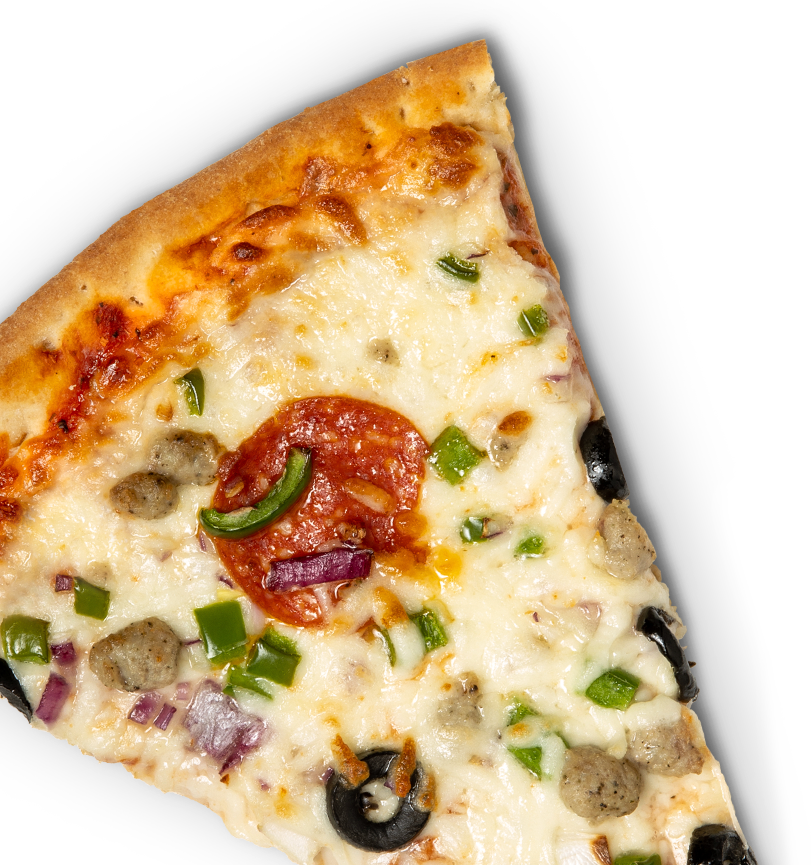
  • PEPPERONI PIZZA
    20 Years Ago
    500 calories
    Today
    850 calories
    Calorie Difference: 350 calories
  • CHICKEN CAESAR SALAD
    20 Years Ago
    390 calories
    1 ½ cups
    Today
    790 calories
    3 ½ cups
    Calorie Difference: 400 Calories
  • POPCORN
    20 Years Ago
    210 calories
    5 cups
    Today
    630 calories 11 cups
    Calorie Difference: 360 Calories
  • CHEESECAKE
    20 Years Ago
    260 calories
    3 ounces
    Today
    640 calories
    7 ounces
    Calorie Difference: 380 calories
  • CHOCOLATE CHIP COOKIE
    20 Years Ago
    55 calories
    1.5 inch diameter
    Today
    275 calories
    3.5 inch diameter
    Calorie Difference: 220 calories
  • CHICKEN STIR FRY
    20 Years Ago
    435 calories
    2 cups
    Today
    865 calories
    4 ½ cups

Food Myth Buster

Myth #1: Fat free food is calorie free

This is a very common myth – so common that food manufacturers market to it. The misconception that fat free is better is the reason that so many products are labeled “fat free,” “low in fat,” “fat reduced,” etc. So many people who want to lose weight will chow down on all of these “low fat” foods thinking they are going to lose weight – even worse, they often tend to eat more of the low fat food than they would have if it were full fat. What really matters when trying to reduce weight is calories – eat fewer calories than you burn and you will lose weight. When fat is removed from food a lot of the flavor is removed as well – consequently extra sugars and chemicals are often added to give back the flavor – fat free food can therefore be far worse and fattening for you than regular full fat food.

Myth #2: Fresh fruit is better than dried or canned fruit
This myth is true in only one regard: if you are looking for vitamin ‘c’, then fresh fruit is best, but other than that, dried fruit contains just as many nutrients and sugar for energy as fresh fruit. If you subscribe to the notion that you should eat 5 fruits a day, then you only need one tablespoon of dried fruit per portion – so five tablespoons of dried fruit fulfills your daily need. The same is true of canned or frozen fruit. Fruit juice is also able to be used as a daily fruit portion but only one per day should be made up of juice only.

Myth #3: It takes more calories to eat a stick of celery than are contained in the celery itself

The problem is, the numbers don’t add up. One stick of celery contains around six calories. A female weighing 150 pounds, aged 35, and 65 inches tall, burns 30 calories per hour eating whilst sitting. In the interests of science I ate a stick of celery (which is no mean feat considering I hate raw celery) to see how long it would take: 2 minutes and 14 seconds. If the female described above takes as long as I do, that means she can eat just under 30 sticks of celery in one hour – totaling 180 calories. That leaves an excess of 150 calories still not burned. Granted, there is some calorie burning involved in the digestive process as well, but there is no way these numbers allow for negative calories; on average you burn 62 calories an hour just existing (this includes digestion) – that still leaves an excess calorie count of 88. No matter which way you look at it – celery does not result in negative calories.

Myth #4: Certain foods can burn fat.
WRONG! According to the “negative calorie effect,” the act of chewing and digesting certain foods burns up more calories than the food itself contains. Cucumbers, celery, and grapefruit top the list of foods rumored to have “negative calorie” value. However, while it may seem as if you expend a lot of energy when you chew, in reality, chewing eats up only about 11 measly calories per hour. Low-calorie, high-nutrient foods certainly will help you lose weight—not because they create negative calories, but because you’re munching on them instead of crackers, chips, and cookies.

Myth #5: Boiling drains away all nutrients from vegetables.

Reality: While it’s generally a tastier bet to steam veggies to your desired level of crispness, boiling them doesn’t leach out all their benefits. Some vitamins are water soluble and may diminish, but many important minerals and fiber remain.

Myth #6: Microwaves cook food from the inside out.

Reality: Nope. The microwaves don’t so much conduct heat, as excite fat and water molecules more or less evenly throughout the food, depending on its density and composition. Some foods, burritos for example, contain more water internally than on the surface, so they may seem as if they’re heating from the center, but that’s not actually the case.

Myth # 8: Processed foods are not as nutritious as fresh foods.
Fact: Many processed foods are just as nutritious or in some cases even more nutritious than fresh foods depending on the manner in which they are processed. Frozen vegetables are usually processed within hours of harvest. There is little nutrient loss in the freezing process so frozen vegetables retain their high vitamin and mineral content. In contrast, fresh vegetables are picked and transported to market. It can take days or even weeks before they reach the dinner table and vitamins are gradually lost over time no matter how carefully the vegetables are transported and stored.

Some processed foods, such as breads and breakfast cereals, have vitamins and minerals added for extra nutrition. In fact, the growing interest in health and nutrition has spurred the production of a whole new range of foods with added health and nutritional benefits (called “functional foods”) such as fat spreads with added fibre to lower cholesterol.

Processing can also make some nutrients more available. For example, removing phytic acid from grain foods by removing the bran helps to improve the absorption of iron from a food. Processing tomatoes into a tomato paste or sauce increases the amount of lycopene (an antioxidant) that is available to the body.

Farmers Market Selections of the Month Information

Comments are closed.